

5-Star-Rated Podiatry Offices In,
Columbia, IL, O'Fallon, IL
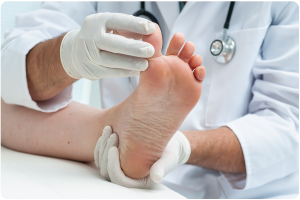
If you notice a painful bump forming at the base of your big toe, it may be time to seek professional care. At Podiatry 1st, we provide personalized bunion treatment for patients near Heckler, IL, helping them find relief from discomfort and return to their normal activities.
If your symptoms are new or becoming more difficult to manage, our team can evaluate your condition and recommend treatment options designed to support long-term foot health.
A bunion develops when the joint at the base of the big toe gradually moves out of alignment. As the condition progresses, it can place additional stress on the foot and make everyday activities increasingly uncomfortable.
Common symptoms include:
Seeking evaluation early may help prevent worsening symptoms and reduce the impact a bunion can have on your mobility.
Many patients are able to manage bunion symptoms without surgery. The right approach depends on the severity of the condition, your activity level, and your overall foot health.
Your treatment plan may include:
These conservative treatments can help improve comfort and support better foot function throughout the day.
Bunions can affect more than just the appearance of your foot. Left untreated, they may contribute to existing pain and additional foot problems that interfere with daily life.
At Podiatry 1st, we take a personalized approach to bunion treatment. Our team evaluates your symptoms, lifestyle, medical history, and goals to create a treatment plan that addresses the source of your discomfort. Through comprehensive podiatry care, we help patients stay active and work toward lasting relief.
If bunion pain is making it difficult to stay comfortable on your feet, contact us today to schedule an appointment.
Together, we can explore options for your bunion treatment and take the first step toward healthier, more comfortable feet.
Yes. While high heels and narrow shoes can place additional pressure on the toes, bunions often develop because of inherited foot structure, joint instability, abnormal foot mechanics, or other contributing factors. Some people develop bunions despite consistently wearing supportive footwear. A professional evaluation can help identify contributing factors.
The progression of a bunion varies from person to person. Some bunions remain relatively stable for years, while others gradually become more pronounced and symptomatic. Factors such as activity level, footwear choices, foot structure, and overall joint health can influence how quickly the condition changes over time.
Certain stretching and strengthening exercises may improve flexibility and help reduce discomfort associated with bunions. While exercise will not reverse the deformity itself, it can support joint mobility and overall foot function.